

How to Predict Maxi Dress Lengths Online: 3 Steps to Find Your Perfect Hemline
When shopping for maxi dresses or skirts online, the most accurate way to predict where the hemline will fall is to measure from your "shoulder-neck point" (where your neck meets your shoulder) straight down to your ankle, then adjust based on the garment's bust, waist, and silhouette (such as adjustable straps or elastic waistbands). Relying solely on the model's height often leads to fitting errors. Every individual has unique body proportions, 3D curves (bust and hips), and fabric weights that alter how a dress hangs, turning a supposed ankle-length dress into an awkward mid-calf length or, worse, a floor-sweeping hazard.
Why Relying on "Model Height" Leads to Fitting Mistakes: Three Hidden Factors
Many shoppers assume that if a dress fits a 165cm model perfectly, it will look similar on them. However, the actual hemline placement depends on several subtle factors:
- The 3D Curve Factor (Bust and Hips): Flat measurements on a size chart are two-dimensional, but your body is three-dimensional. A fuller bust or hip will pull the fabric outward and upward, shortening the actual drape of the dress.
- Proportions vs. Total Height: Two people of the exact same height can have completely different torso-to-leg ratios. High-waisted designs will fall differently depending on where your natural waist sits.
- Fabric Weight and Drape: Lightweight fabrics like chiffon can billow or cling, while heavier fabrics like linen or heavy knits pull downward under their own weight, lengthening the silhouette.
The 3-Step Precision Prediction Method: From Shoulder to Ankle
To accurately predict how a maxi dress will fit before you buy, grab a soft measuring tape and follow these three steps:

- Step 1: Establish the Starting Point.
- For dresses: Always measure from the "shoulder-neck point" (the highest point where the neck meets the shoulder). Do not start from the collarbone or outer shoulder, as this will underestimate the length.
- For skirts: Start from where you naturally wear your waistband (e.g., high-waist at 3cm above the navel, or mid-waist at the navel).
- Step 2: Build Your Personal Length Chart. Stand straight (ideally with someone helping, or in front of a full-length mirror) and measure from your starting point down to four key markers:
- Mid-knee (ideal for short or knee-length dresses)
- Mid-calf (often the trickiest length that can visually shorten legs)
- Lower calf/above the ankle (the most flattering golden length)
- Instep/floor-length (for maxi dresses paired with heels)
- Step 3: Apply Silhouette Adjustments. If a dress has a slim, non-stretch cut (like chiffon or satin column dresses) and you have a fuller bust or hips, allow a few extra centimeters beyond the listed "length" to account for the fabric being pulled outward.
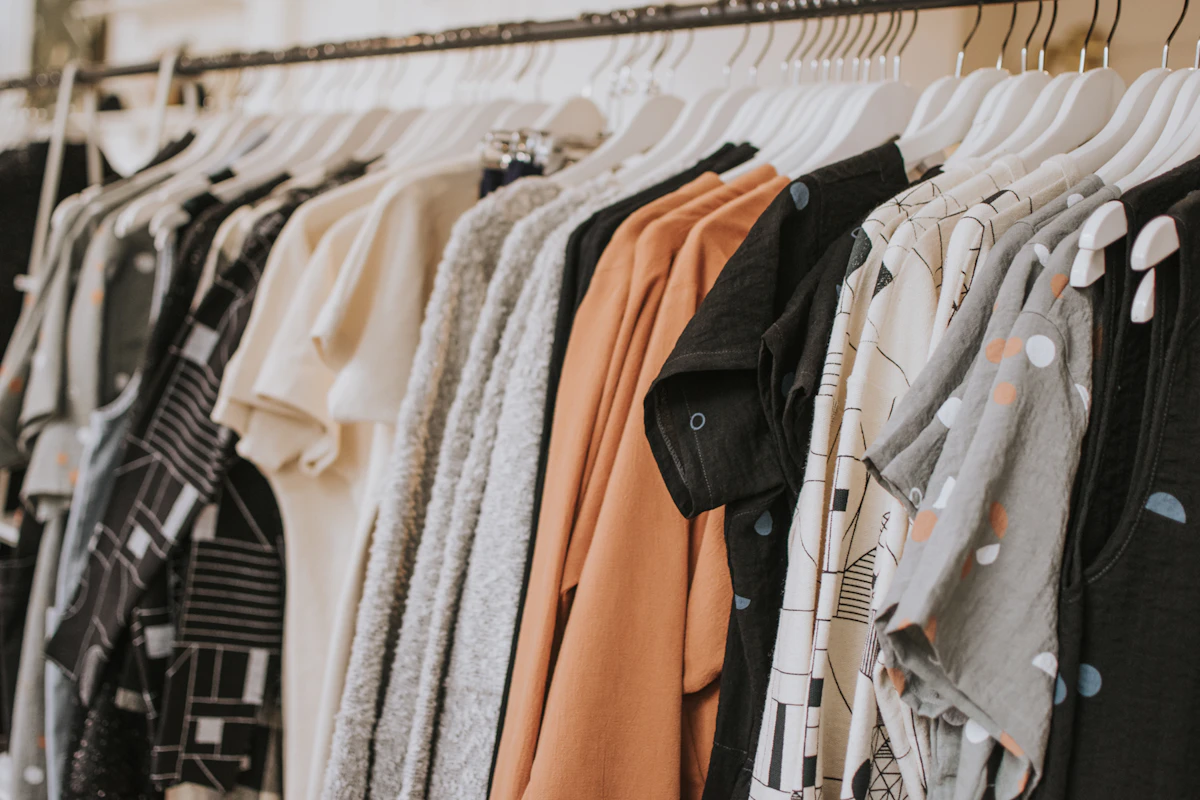
(Measuring accurately from the shoulder-neck point, waist, and ankle is key to predicting dress length online.)
Real-World Examples: How Straps, Necklines, and Waistlines Affect Length
Let's look at some popular Cloris designs to see how different cuts behave in real life:
1. Slip Dresses and Adjustable Straps
Slip dresses offer more flexibility. For example, the Cloris Linen Slip Dress has a listed length of 115cm. Featuring an open-back design, it is measured by hand, meaning there might be a 1-2 cm difference from the flat measurement. When trying it on, pay attention to how the bust fits. For slip styles, it is always helpful to check if the straps are adjustable so you can easily fine-tune where the hemline lands.
2. Fixed Necklines (Square or Round Necks)
Non-stretch, fixed-neckline dresses require stricter calculation. The Cloris Floral Square Neck Dress has a listed length of 110cm. Since the square neck is fixed, you cannot adjust the starting point. Compare this 110cm directly to your shoulder-to-calf measurement. Considering a potential 1-2 cm hand-measurement variation, if your bust is close to the 92cm limit, the fabric may sit higher, slightly shortening the drape.
3. The "Blousing" Effect of Cinch-Waist Cuts
Dresses with elastic waists or self-tie belts naturally bunch up slightly at the waist (the blousing effect). Take the Cloris Off-Shoulder Waist Dress. While the S-size length is listed as 80cm, the cinched waist means the fabric will naturally pull upward when worn. When shopping for these styles, always account for a 1-2 cm measurement tolerance and avoid choosing a length that is too exact.
Online Maxi Dress Cheat Sheet: Safe Lengths by Height
| Height Range | Midi Length (Mid-calf) | Maxi Length (Ankle) | Tips & Styling Advice |
|---|---|---|---|
| 150cm - 155cm | 95cm - 100cm | 105cm - 110cm | Lengths over 112cm may drag. Opt for adjustable straps or pair with platform shoes. |
| 158cm - 163cm | 102cm - 108cm | 110cm - 115cm | 112cm is often the sweet spot, showing off the slenderest part of the ankle. |
| 165cm or above | 108cm - 112cm | 115cm - 120cm | Anything under 105cm will look like a midi or knee-length dress. Go for 115cm+ for an effortless maxi look. |
If you are on the petite side and want to learn how to style maxi skirts to look taller, check out our 155cm Petite Maxi Skirt Styling Guide to master the art of visual proportions.
Explore More Cloris Favorites


If a maxi dress I bought online is too long, are there temporary ways to shorten it without cutting the fabric?
Yes! You can use a thin, low-profile belt or elastic band around your waist. Pull the excess fabric up and let it drape slightly over the belt to create a natural "blousing" effect. This shortens the hemline while defining your waist. Alternatively, you can use double-sided fabric tape to temporarily fold and secure the hem inward. It is a quick, damage-free solution that peels off easily when you get home.
Do different skirt silhouettes (A-line, mermaid, column) affect how long the dress looks on body?
Absolutely. Column or straight cuts (H-line) hug the body; if the fabric lacks stretch, walking will cause the fabric to ride up slightly over the hips and thighs, making it look shorter than flat measurements suggest. Conversely, A-line or flared skirts drape freely, so their visual length stays truer to the flat measurements. Mermaid skirts, which flare out below the knee, draw the eyes downward. If a mermaid hem cuts off right at the widest part of your calf, it can visually shorten your legs, so it is best to choose either a definite midi or a true ankle-grazing length.